
The journey of casinos from ancient games to modern entertainment hubs
The history of casinos can be traced back to ancient civilizations, where gambling was an integral part of social life. The earliest evidence of dice games dates back to around 3000 BC in Mesopotamia. Ancient Chinese, Egyptian, and Indian cultures incorporated gambling into their daily rituals and festivities, using simple materials like dice and rudimentary boards. These games served not only as entertainment but also as a means of decision-making and divination, reflecting the values and beliefs of the societies that practiced them.
In ancient Rome, gambling took on a more organized form with the establishment of betting on gladiatorial contests and chariot races. Roman citizens were known to partake in betting games that included early versions of dice and board games. The popularization of these activities contributed to a culture of gambling that thrived in taverns and public spaces. This era laid the groundwork for more structured gaming practices, influencing later developments in gambling and the establishment of formal venues.
As gambling spread throughout Europe, it evolved alongside societal changes, influencing how people viewed chance and luck. In medieval times, gaming houses began to emerge, providing designated spaces for gambling activities. These establishments offered card games, dice, and various betting options, serving as social hubs where people gathered for leisure. This marked the transition from informal gambling to the more organized settings that would eventually evolve into modern casinos.
The 17th century marked a significant turning point in the history of casinos, particularly in Europe. The establishment of the first official casino, the Ridotto, opened its doors in Venice in 1638. This venue offered a regulated environment for gambling, complete with house rules, games of chance, and oversight by authorities. The popularity of the Ridotto sparked a wave of similar establishments across Europe, leading to the creation of luxurious gaming houses in cities like Paris and Monte Carlo.
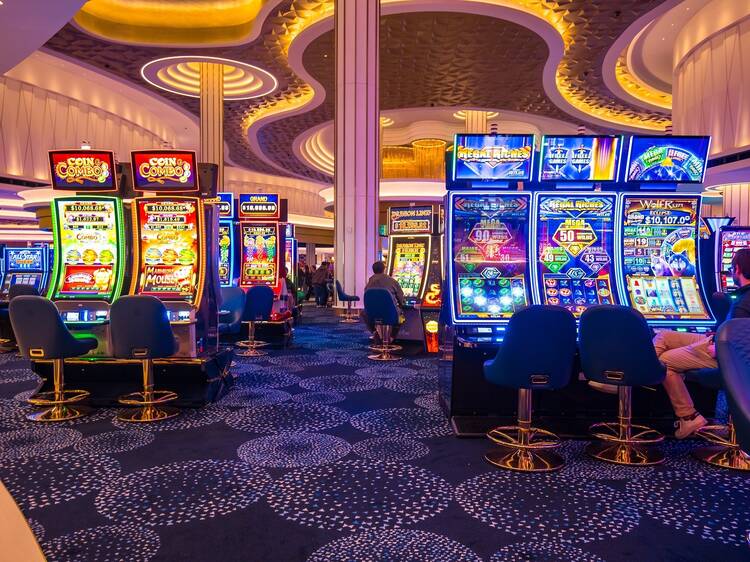
During this period, casinos began to embody the essence of opulence and high society. The Casino de Monte-Carlo, established in 1863, became a symbol of glamour, attracting the wealthy elite from across the continent. With its grand architecture and lavish interior, the casino offered not only gaming but also high-end dining and entertainment. This blend of luxury and leisure set the standard for future casinos, transforming them into multi-faceted entertainment venues.
The rise of casinos in Europe was paralleled by an increase in gambling regulations, as governments recognized both the potential for revenue generation and the need for consumer protection. Licensing and oversight became crucial, leading to the establishment of laws governing gaming. This regulatory framework laid the foundation for the responsible operation of casinos, ensuring fair play and minimizing the risks associated with gambling.
The gambling landscape shifted dramatically in the 19th and 20th centuries with the expansion of casinos into the Americas. The first legal casino in the United States opened in New Orleans in 1822, marking a new era for gambling in the country. This initial establishment laid the groundwork for a flourishing gaming industry that would eventually spread to other states and cities, including the iconic Las Vegas and Atlantic City.
Las Vegas emerged as a significant player in the casino industry during the mid-20th century, transforming from a desert town into a vibrant entertainment hub. The introduction of legalized gambling in Nevada in 1931 attracted massive investments, leading to the construction of extravagant hotels and casinos. The Strip became synonymous with glitz and glamour, featuring elaborate themes, shows, and culinary experiences that appealed to a diverse audience.
As casinos continued to flourish in the United States, the industry adapted to changing societal norms and economic conditions. Tribal casinos emerged, creating new opportunities for Indigenous communities and contributing to local economies. The expansion of online casinos in the late 20th and early 21st centuries further revolutionized the gambling landscape, making gaming accessible to a wider audience. This evolution highlighted the dynamic nature of casinos, emphasizing their ability to adapt and thrive in different environments.
The advent of the internet brought a significant transformation to the casino industry, leading to the rise of online casinos. In the late 1990s, the first online gambling sites emerged, allowing players to enjoy their favorite games from the comfort of their homes. The convenience and accessibility of online gaming attracted a new demographic of players, reshaping the gambling experience and setting the stage for a digital revolution.
Online casinos offer a vast array of games, from traditional slots and table games to innovative live dealer experiences. The implementation of advanced technology, including random number generators and secure payment systems, ensured fairness and safety for players. Additionally, the incorporation of cryptocurrencies introduced a new dimension to online gambling, allowing for faster transactions and enhanced privacy.
As the online casino industry continued to grow, operators began to focus on enhancing user experience. Mobile gaming became increasingly popular, enabling players to gamble on their smartphones and tablets. Promotions, loyalty programs, and interactive features further engaged users, creating a dynamic and immersive gaming environment. The convergence of technology and gambling has led to a new era of entertainment, providing endless possibilities for players around the world.

Slotzania stands at the forefront of the online casino revolution, designed specifically for British players. With its extensive selection of games from leading providers, it has become a go-to destination for many, including fans of Slotzania casino. The platform’s commitment to user satisfaction is evident in its generous welcome bonuses, including opportunities for substantial bonuses and free spins. This approach not only attracts new players but also enhances their initial gaming experience.
Slotzania prioritizes security and responsible gaming, creating a safe and fair environment for all users. With fast cryptocurrency transactions and instant processing times, players can enjoy a seamless experience without unnecessary delays. The dedication to customer service, available 24/7, ensures that any queries or issues are addressed promptly, fostering a sense of trust and reliability among players.
In summary, Slotzania embodies the evolution of casinos from their ancient origins to modern entertainment hubs. By merging cutting-edge technology with a strong focus on user experience, it represents the future of online gaming. Players can explore an exciting world of gambling possibilities, making their journey both enjoyable and rewarding.